
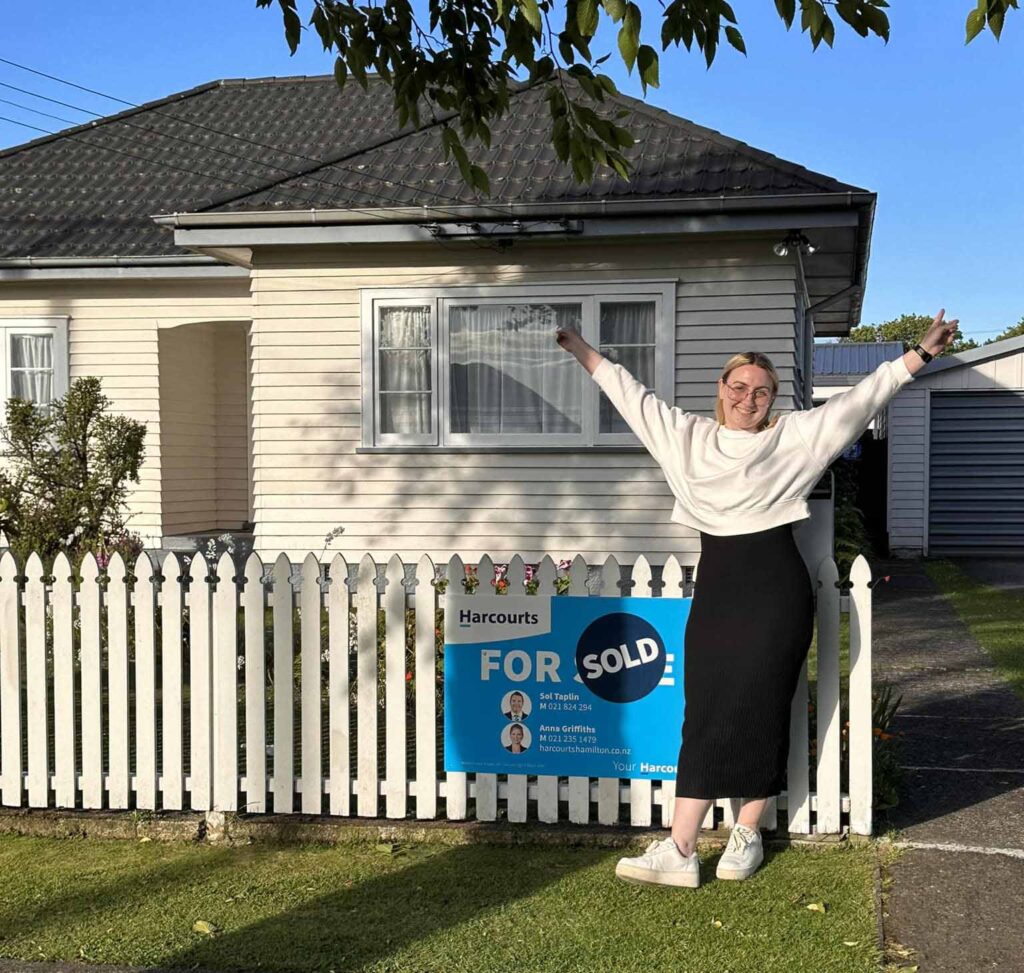
Many first home buyers have to make the decision of whether to buy a new build or an existing property. Both options can lead to home ownership, but they come with different trade-offs around cost, timing, lending rules, and long-term maintenance.
In 2026, this decision is more nuanced than ever. Lending policies, build costs, and market conditions have changed, and what suits one buyer may not suit another. As an Auckland based mortgage broker, I see this question come up early in almost every first-home conversation.
This guide breaks down the pros and cons of new builds versus existing homes, with a specific focus on what matters most to first home buyers in New Zealand.
What Counts as a New Build vs an Existing Property?
Before comparing them, it’s important to clarify what lenders usually mean.
A new build typically refers to a property that has not been “lived in” before. This could be a turnkey house and land package, a townhouse or apartment purchased off the plans, or a newly completed standalone home.
An existing property is any home that has had previous owners or occupants. This includes older standalone houses, villas, bungalows, and apartments that have already been lived in.
From a lending perspective, banks often treat these two categories differently.
New Builds: Pros and Cons for First Home Buyers
Pros of Buying a New Build
Existing properties are sometimes perceived as requiring a larger deposit, particularly when lending rules tighten or when a home is older or needs work. However, this is not always the case. Depending on the lender and current policy settings, first home buyers may also be able to borrow up to 90 percent on an existing property. As with new builds, outcomes can vary over time and between banks, which is why understanding current lending rules and structuring the application correctly is so important.
New builds also tend to be lower maintenance in the early years. Everything is new, from the roof to the appliances, which reduces the likelihood of unexpected repair costs. For buyers trying to manage cash flow after purchase, this can provide peace of mind.
Energy efficiency is another key benefit. New homes must meet modern building standards, which can mean better insulation, double glazing, and more efficient heating. This translates into lower power bills and a more comfortable living environment.
From a planning perspective, new builds often appeal to buyers who want a clean slate and modern layout. There is also less immediate pressure to renovate or upgrade.
Cons of Buying a New Build
The biggest downside is usually timing and uncertainty. If you are buying off the plans or building from scratch, delays can happen. Consent timeframes, material shortages, and weather can all push settlement dates out.
New builds can also be more expensive upfront, particularly in popular urban areas. While they may cost less to maintain, the initial purchase price is often higher than comparable existing homes.
Another consideration is location. Many new builds are in developing areas, which may mean being further from established schools, transport, or workplaces in the short term.
Lending for new builds can also be more complex, especially if progress payments are involved. This is where early advice around construction and new build lending is essential.
Existing Properties: Pros and Cons for First Home Buyers
Pros of Buying an Existing Home
Existing homes often offer more choice in established areas. You may have access to better locations, larger sections, and neighbourhoods with existing infrastructure.
Settlement is usually faster and more straightforward. Once your finance is approved, you can often move in relatively quickly without waiting for construction to finish.
In some markets, existing homes may also be more negotiable on price, particularly if the property has been on the market for a while. This can create opportunities for buyers who are well prepared with finance.
There is also the potential to add value over-time through renovations or improvements, although this depends on budget and appetite for work.
Cons of Buying an Existing Home
One challenge first home buyers can face with existing properties is that lending criteria may be assessed more closely, particularly if the home is older or requires work. While it is possible to borrow up to 90 percent on an existing home, this can vary depending on the lender and current policy settings. In some cases, additional factors such as property condition or location can influence how much deposit is required, which makes it important to check what is achievable at the time of application.
Maintenance and repair costs are another factor. Older homes may come with hidden issues such as roofing, wiring, or plumbing that need attention sooner than expected.
Energy efficiency is often lower, which can mean higher ongoing running costs unless upgrades are made.
Finally, renovations take time and money. While adding value can be appealing, it can also place pressure on finances if not planned carefully.
Lending Differences That Matter in 2026
In 2026 lending rules continue to play a major role in this decision.
Banks generally view new builds as lower risk from a compliance and housing supply perspective, which is why they may allow higher loan-to-value ratios. Existing homes often face tighter criteria, especially for buyers with smaller deposits.
Banks may assess new builds and existing homes differently based on compliance and policy settings. However, In practice, affordability, income stability, and property condition tend to matter more than whether a home is new or existing. A strong application can succeed in either scenario, particularly with the right structure and preparation.
This is why I always recommend speaking with a mortgage adviser early. Understanding how your situation fits with first home buyer mortgage advice can help avoid wasted time and disappointment.
Which Is the Better option for First Home Buyers?
A new build may suit buyers who:
- Have a smaller deposit
- Prefer modern, low-maintenance living
- Are flexible on timing
- Want predictable running costs
An existing property may suit buyers who:
- Want an established or convenient location
- Need to move in sooner rather than later
- Are comfortable with maintenance or renovations
- Have a larger deposit or stronger equity support
In many cases, the decision comes down to cash flow, lifestyle, and long-term plans, not just the price.
Getting the Right Advice Before You Decide
Choosing between a new build and an existing home is a major decision, and it should be made with a clear understanding of how lending, deposits, and ongoing costs will affect you.
Getting guidance early can help you compare options realistically and structure your lending correctly. This includes understanding how mortgage pre-approval works, how construction loans differ from standard lending, and how to position yourself for approval.
If you would like tailored advice based on your goals and financial situation, feel free to get in touch. I am always happy to talk through your options and help you decide which path makes the most sense for your first home journey.